Latest
We use a well established process to develop Speech Recognition technologies that transform the future of communication.

Our Process
1on non-standard speech
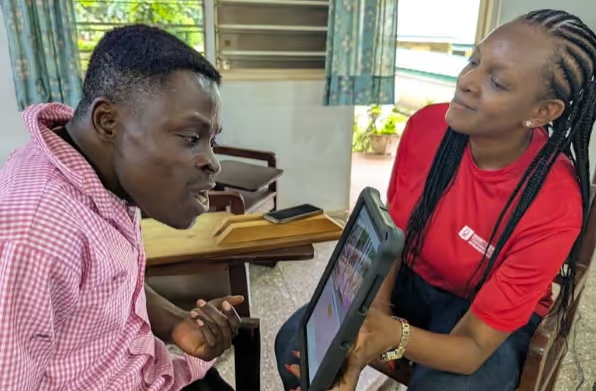
We begin with the collection of 'non-standard' speech data with support from people living with impaired speech - talking in the languages they speak - in each country we work in. These recordings are used to train AI-driven Automated Speech Recognition (ASR) models that can better recognise impaired speech. Then, we train people on how to use applications powered by these models, and we continue to fine train our models through real world usage and feedback.
2to ensure speech recognition models work with our data
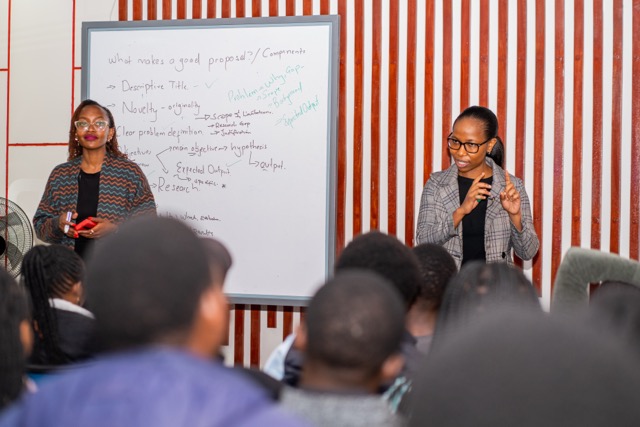
With the speech samples collected we fine-tune Automatic Speech Recognition (ASR) models to understand non-standard speech patterns better. Our approaches are based on years of research as part of Google's Project Euphonia, adapted to the reality of speech patterns of low-resource languages.
We leverage existing ASR models, such as Whisper, that have typically been trained on standard speech only and typically don't work very well on non-standard speech patterns. We then adapt these models specifically for non-standard speech. By training on the rich, diverse datasets we've collected, our models learn to recognise unique linguistic features, tonal variations, and speech characteristics that make each language distinct, creating AI that genuinely understands how people actually speak, regardless of where they live.
3to use apps powered by these models
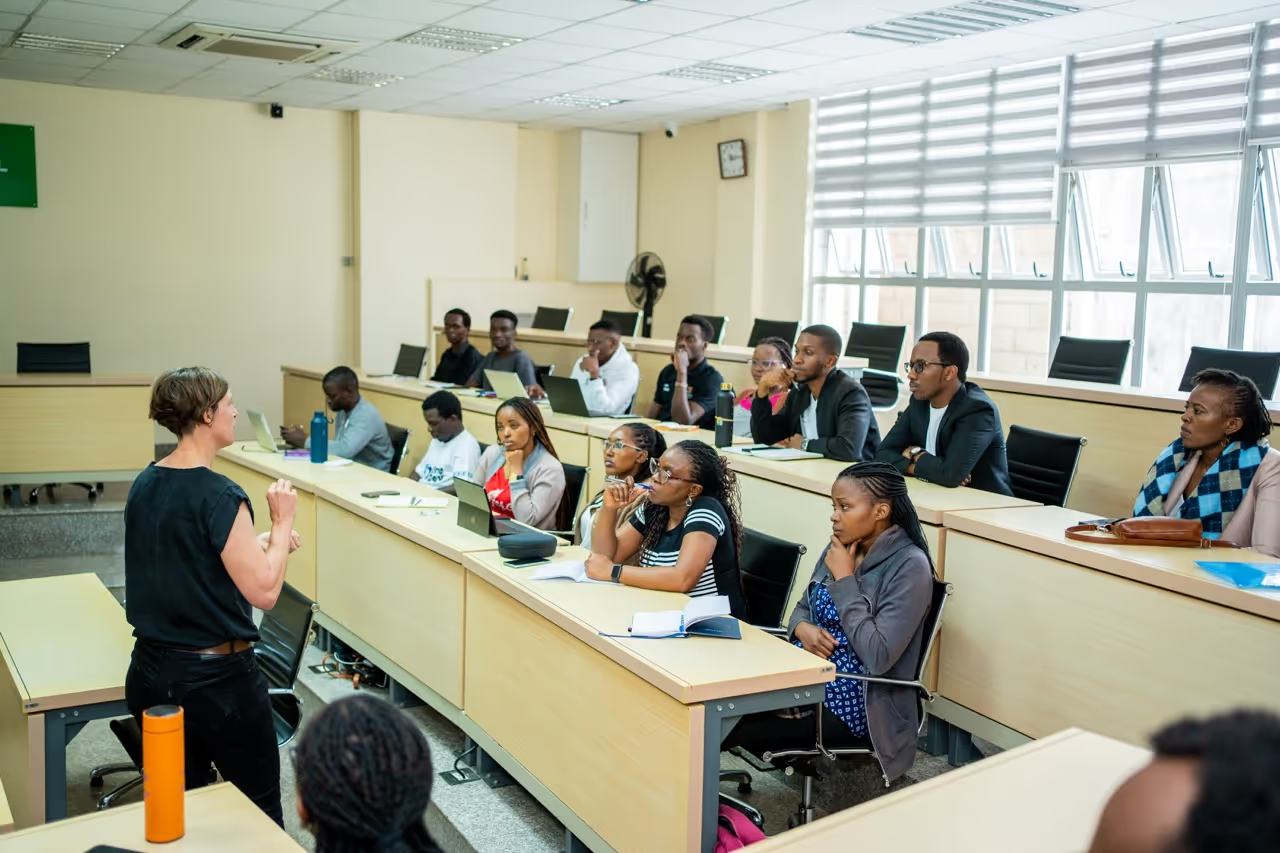
Technology is only transformative when people know how to use it. We build communities of innovators, users, and ecosystem enablers through hands-on training programmes. Working with speech therapists, educators, developers, and users themselves, we provide training on how to use ASR applications, contribute to data collection, and understand the technology's potential. This ensures that the solutions we create don't just exist—they're actively used, maintained, and championed by the communities they serve, creating lasting digital inclusion wherever communication barriers exist.
4we run local hackathon events
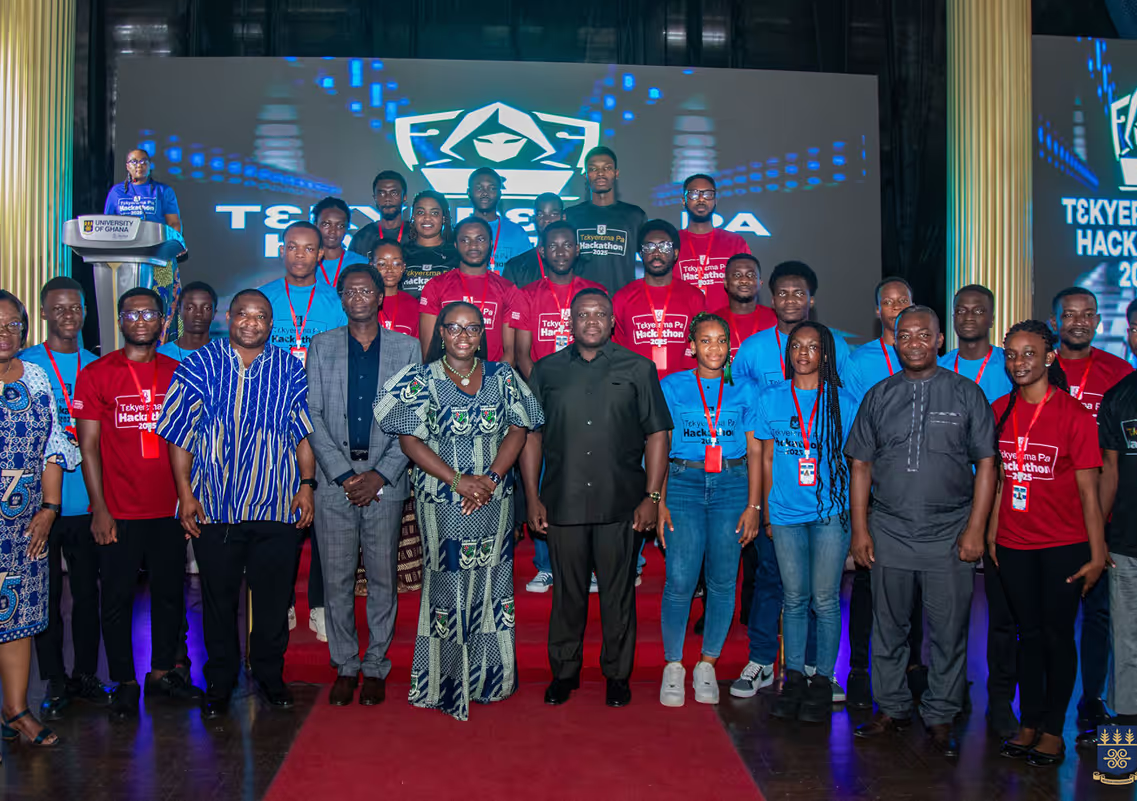
The final piece of the puzzle is local innovation sprints. These extended collaborative events bring together developers, linguists, speech therapists, and users alongside community partners, academic institutions, and local technology ecosystems to develop applications using our open-source datasets and models. Through structured support and deep engagement, Innovation Sprints generate practical solutions tailored to local needs, from communication apps to educational tools, while simultaneously building lasting technical capacity within communities.
Building on successful sprints in Ghana and Kenya, with Rwanda planned for the near future, we're expanding this model globally. Beyond rapid prototyping, these Innovation Sprints create pathways for local ownership of AI solutions, strengthen regional technical expertise, and provide evidence of what's possible when communities have the tools and support to build inclusive AI applications that directly address their linguistic and accessibility needs.
2025: Africa
Our work began in Africa, where millions of people with non-standard speech have had little access to assistive technology or speech therapy—and where most languages have been entirely absent from AI development. Starting with a successful pilot in Ghana, we've expanded across the continent, conducting innovation sprints in Kenya, Rwanda, and beyond.


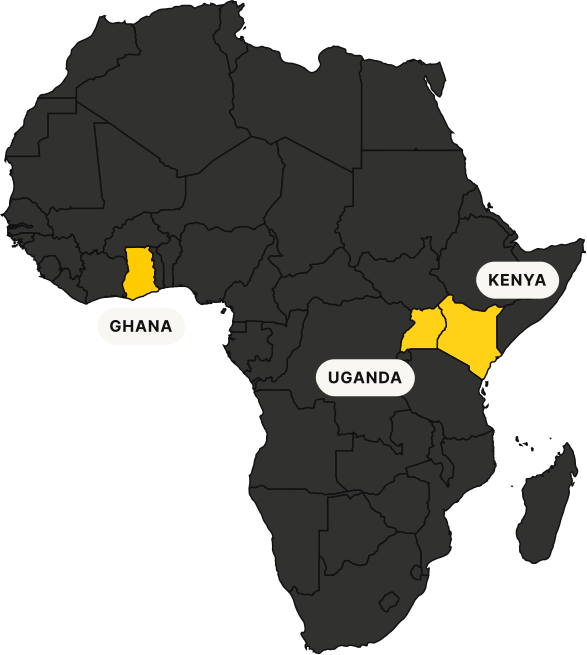
In each location, we partner with local speech therapists, linguists, and communities to collect authentic speech data in native languages. These aren't just vocabulary lists—they're the words and phrases people actually use in their daily lives. Through intensive hackathons, we bring together local developers, researchers, and users to rapidly prototype applications that address real communication challenges. The result is a growing network of innovators who understand both the technology and the communities they serve, creating solutions that are culturally relevant, linguistically accurate, and built to last.
Outcomes
Datasets & models
All our data is open source and freely available. We provide comprehensive datasets of non-standard speech in multiple languages, alongside trained ASR models to better recognise diverse speech patterns. These resources enable researchers, developers, and innovators worldwide to build inclusive communication technologies, systems and services.
Apps
We develop and support open-source applications to put our multi-language speech recognition technology into practice. Alongside local developers and communities, we co-create mobile apps and tools that enable rapid adoption of open-source non-standard speech data to facilitate AI-powered speech recognition.