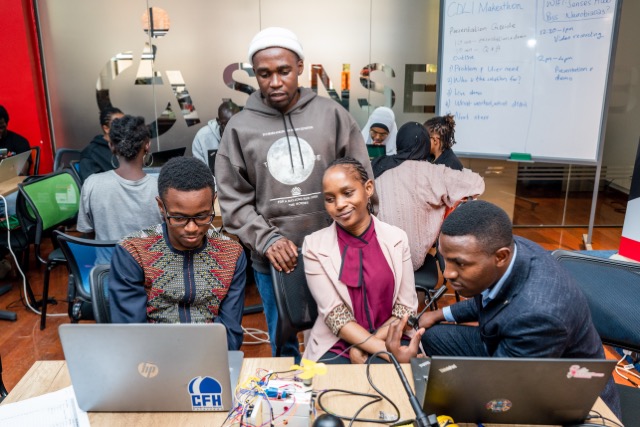
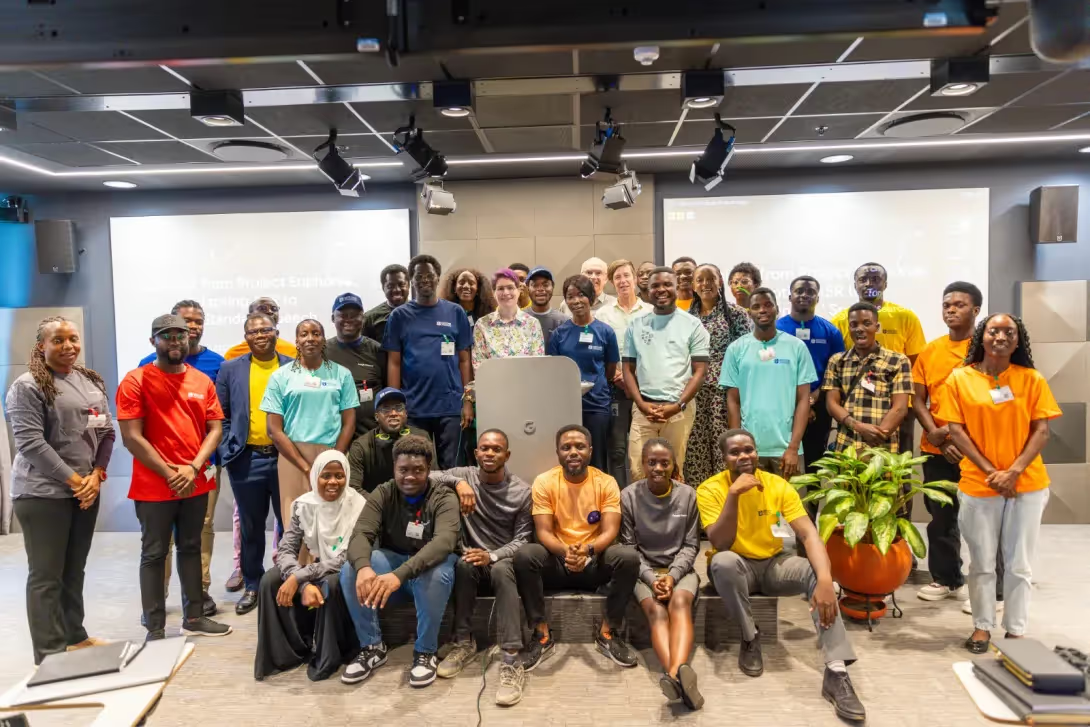
Makerthon in Kenya
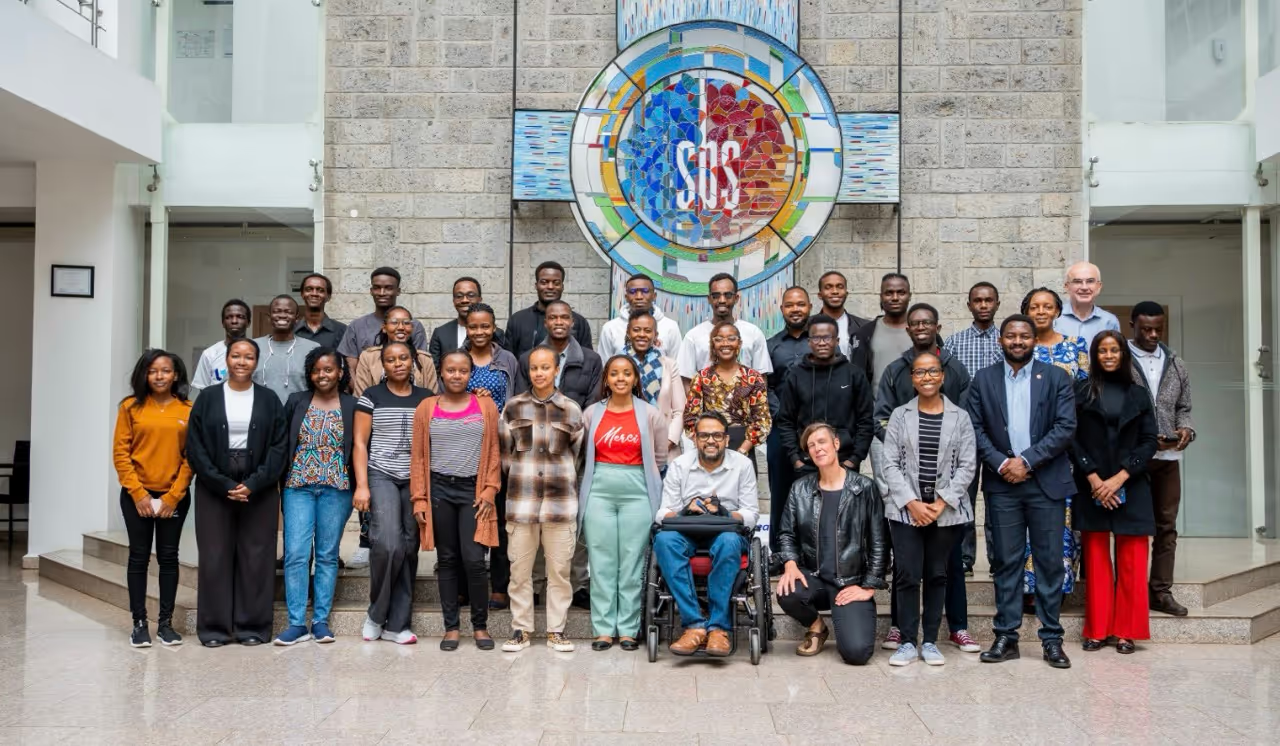
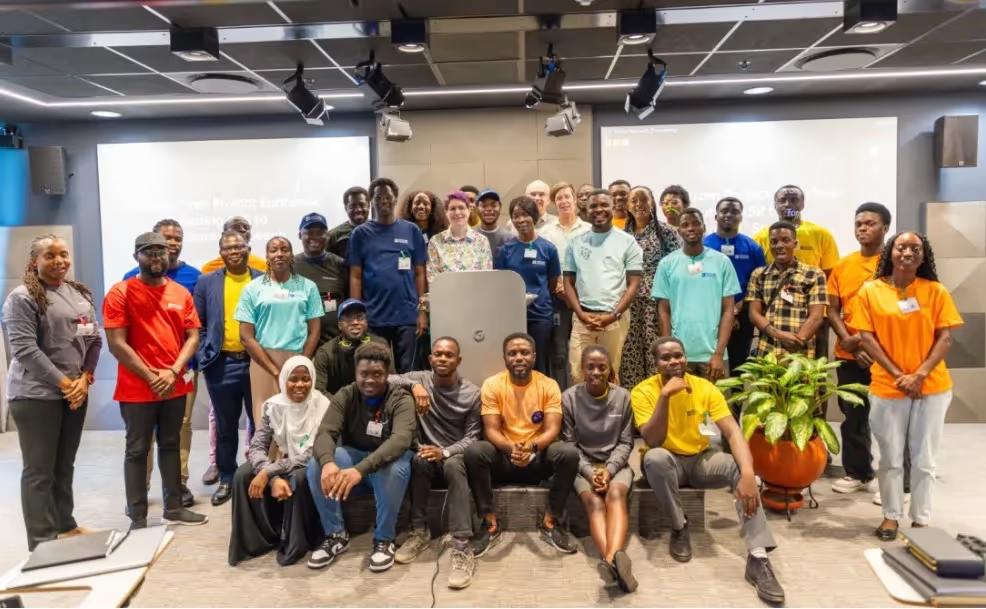
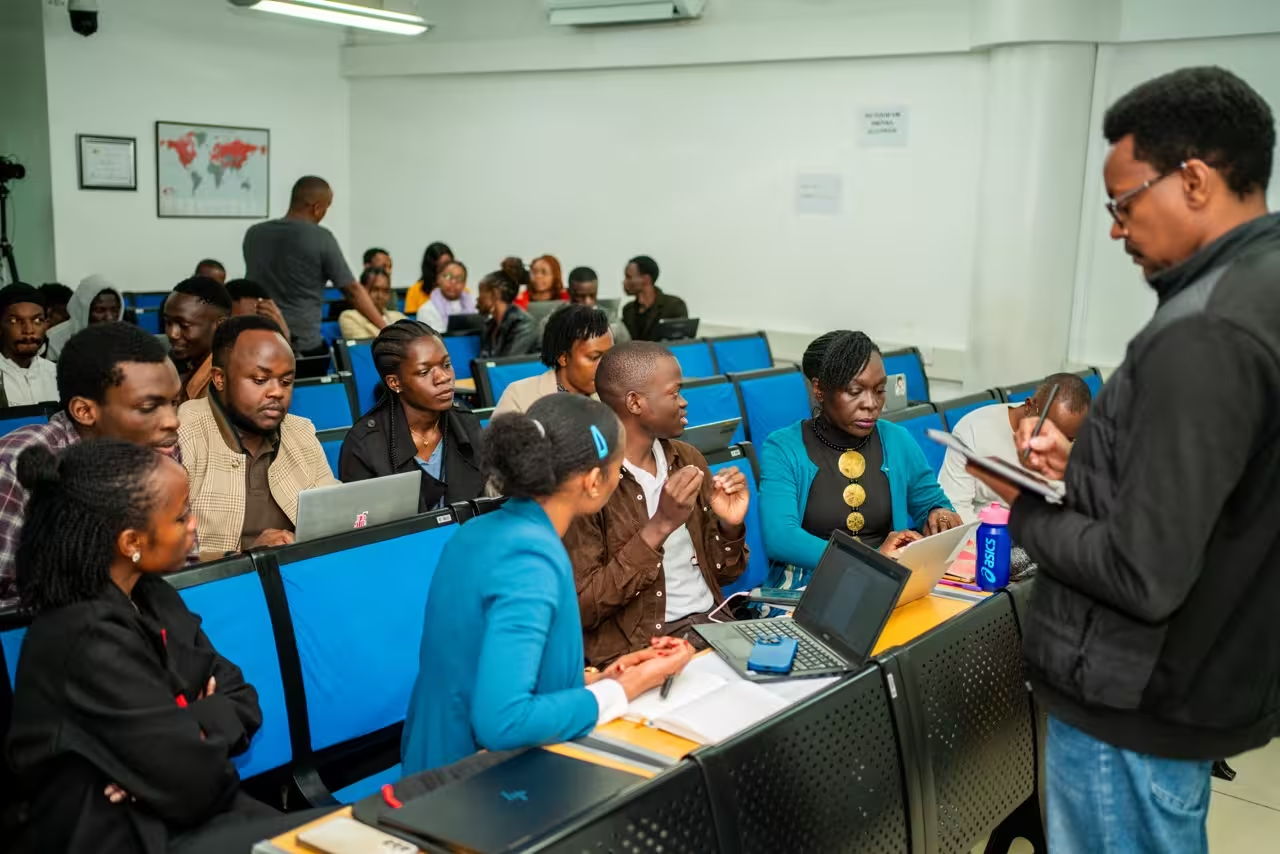
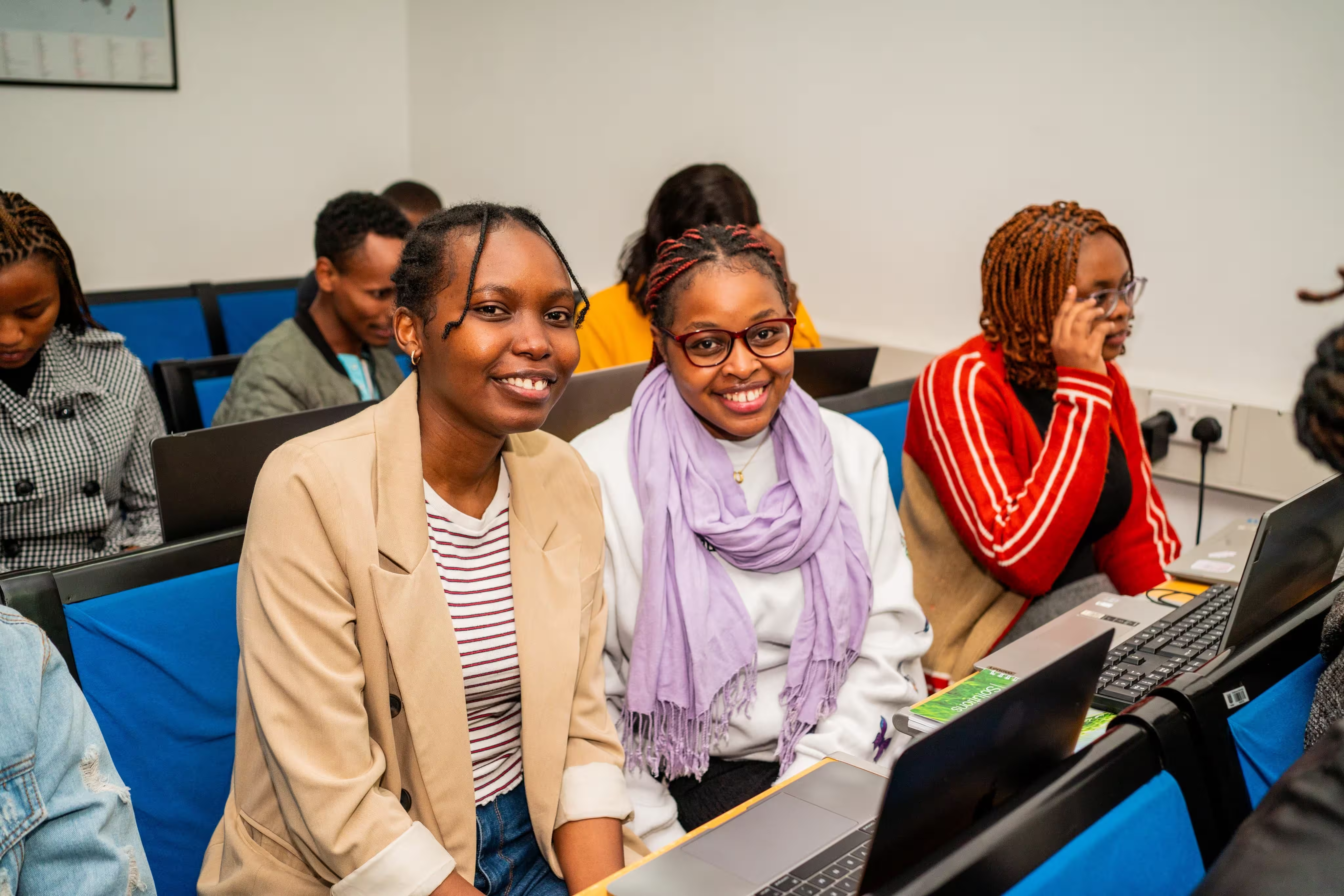
Twenty makers and four people with speech impairments worked together as co-designers not as separate groups of builders and testers. The result was assistive technology shaped by the people who actually need it.
In Uganda, we look forward to the output of the Uganda five-month Inclusive ASR Innovation Sprint in May 2026. All indications so far are that participants are ideating novel and exciting solutions that will benefit Ugandans in practical and functional ways, built by Ugandans.
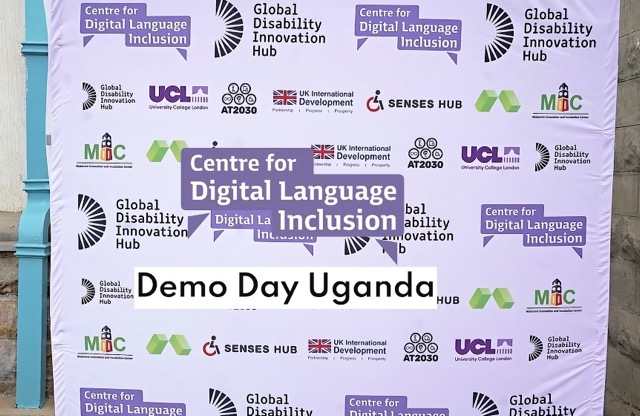
In Kenya, the five-month Inclusive ASR Innovation Sprint culminated in teams developing assistive tech prototypes. For example, some teams built mobile apps that transcribe impaired speech to text in real-time so a person with slurred speech can have their words appear on screen for a conversation partner. Others worked on voice command interfaces tailored to local accent patterns, enabling users to control devices or dictate messages despite atypical enunciation. At the final demo day, a range of solutions were showcased – all aiming to make communication simpler, whether by captioning speech, improving voice assistants, or bridging to sign language (depending on teams’ ideas). These solutions were not off-the-shelf products, but functional demos born from local ingenuity and guided by user feedback. Several garnered interest for further development or integration into partner programs.
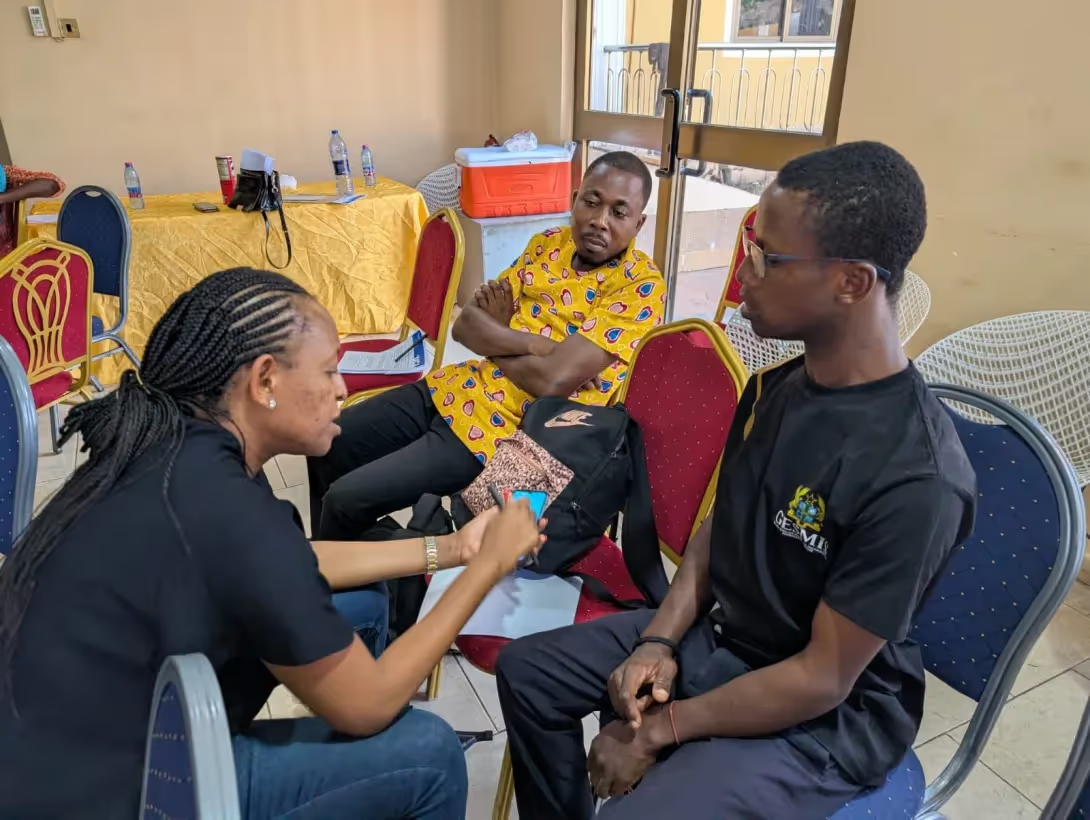
In Ghana, the Accra hackathon (May 2025) similarly produced innovative concepts. One standout solution was a prototype that integrated the newly trained Akan speech model into a messaging app, allowing a user with a speech impairment to speak Akan and have the app output a clear voice or text for the listener. Another team worked on a voice chatbot for healthcare – leveraging Ga language ASR so patients with speech disabilities could communicate symptoms more easily. These prototypes were informed by earlier research: a CDLI study in Ghana evaluating Google’s Project Relate app found that localization and user-centered design are critical. Teams took these lessons to create localized alternatives to one-size-fits-all apps.