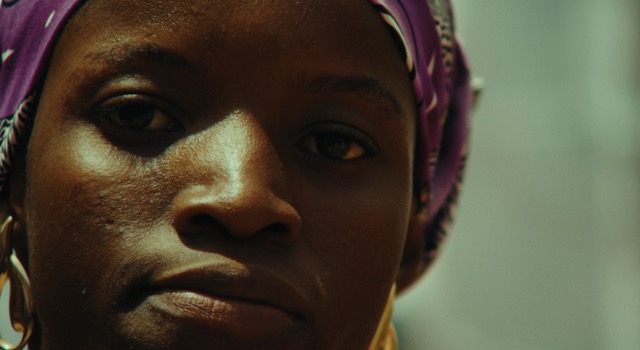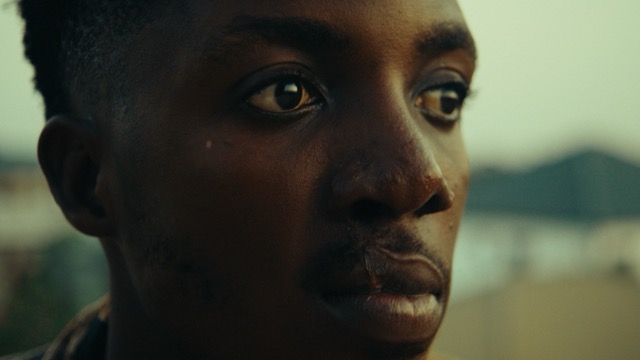
For Oscar, a barber in Accra born with a cleft palate, the stakes are high. He describes the isolation of having to write down thoughts because of the difficulty of being understood with his condition.
"We need to associate with all human beings, how they talk, how they react, so that the machines too will understand them."
As the world races toward an AI-driven future, millions with slurred or difficult-to-understand speech are being "left out of the algorithm". The Centre for Digital Language Inclusion (CDLI) led by University College London’s (UCL) Global Disability Innovation Hub (GDI Hub) are harnessing the power of AI to develop pioneering automatic speech recognition (ASR) solutions for impaired speech.
With the aim of making speech recognition software accessible to everyone, the centre is collecting and sharing impaired speech data while training AI models to recognise impaired speech.
Award winning Witness Studios, a creative company telling real human stories with sensitivity and cinematic craft, joined the CDLI in Ghana to capture intimate and poetic portraits of people who have the most to gain from inclusive research, yet currently find their voices categorised as "noise" by standard technology.
Launching on World Day for Assistive Technology, these films focus on the potential of digital assistive technologies - and the importance of ensuring no-one is left out of the algorithm during this critical stage of AI and ASR innovation.
%20Medium.jpeg)