As the world races toward an AI-driven future, millions with slurred or difficult-to-understand speech are being "left out of the algorithm". The Centre for Digital Language Inclusion (CDLI) led by University College London’s (UCL) Global Disability Innovation Hub (GDI Hub) are harnessing the power of AI to develop pioneering automatic speech recognition (ASR) solutions for impaired speech. With the aim of making speech recognition software accessible to everyone, the centre is collecting and sharing impaired speech data while training AI models to recognise impaired speech.
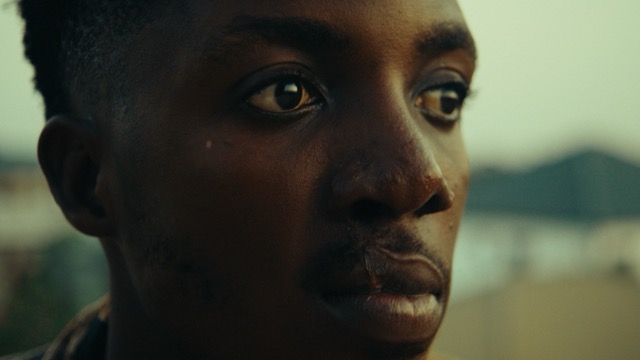
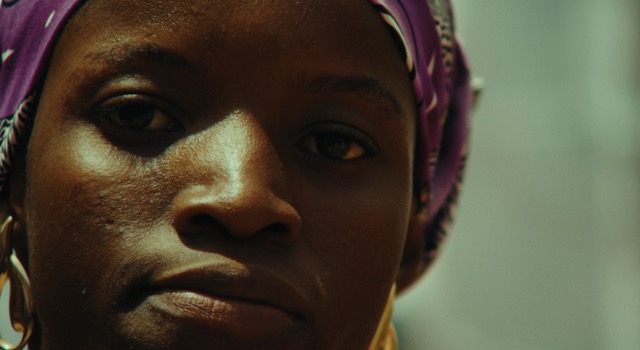
Award-winning Witness Studios, a creative company telling real human stories with sensitivity and cinematic craft, joined the CDLI in Ghana to capture intimate and poetic portraits of people who have the most to gain from inclusive research, yet currently find their voices categorised as "noise" by standard technology. Launching on World Day for Assistive Technology, these films focus on the potential of digital assistive technologies - and the importance of ensuring no-one is left out of the algorithm during this critical stage of AI and ASR innovation.
Radia explains that without a medium for expression, "people around you cannot get you." She notes that while current voice-to-text tools are life-changing, they often fail those who speak African languages. This is the challenge the CDLI is seeking to resolve:
"But it doesn't work with the Ghanaian language, it's only English"
This UCL centre, with support from Google.org and the UK International Development funded AT2030 programme, has captured thirteen languages across five countries and two continents, democratising access for all. We are building a wider movement to enable people with non-standard speech to communicate in their language of choice.
%20Medium.jpeg)